Most organisations focus on getting an inspection done, ensuring they follow compliance and safety regulations and that records are stored correctly and accurately. But far few consider how the design of their inspections could impact their quality.
A well designed inspection should do more that collect answers. It should influence the inspector to look closer, focus on the right areas promote consistency, and help identify risks without making inspections longer or more complicated.
Whether you're inspecting scaffolding, plant, machinery, vehicles, or facilities, these five best practices can help you get more value from your inspections in Inspect7®.


Build Templates Around Manufacturer Guidance
Not all assets are the same. Companies will purchase different systems from different manufactures who often publish specific guidance on component condition, assembly requirements, inspection criteria, and restrictions on mixing components.
Using the same inspection template across different systems can increase the risk of important checks being overlooked.
In Inspect7® you can improve inspection quality by:
Creating separate templates for different manufacturers or asset types.
Including manufacturer-specific inspection requirements.
Adding questions that reflect known defects, wear indicators, and component restrictions.
Ensuring inspections align with the standards intended for that particular system.
Best Practice: Regulations define the minimum requirements, but manufacturer guidance often provides the detail needed to carry out a more effective inspection. Tailoring templates to the scaffold system being inspected helps improve consistency, compliance, and inspection quality. 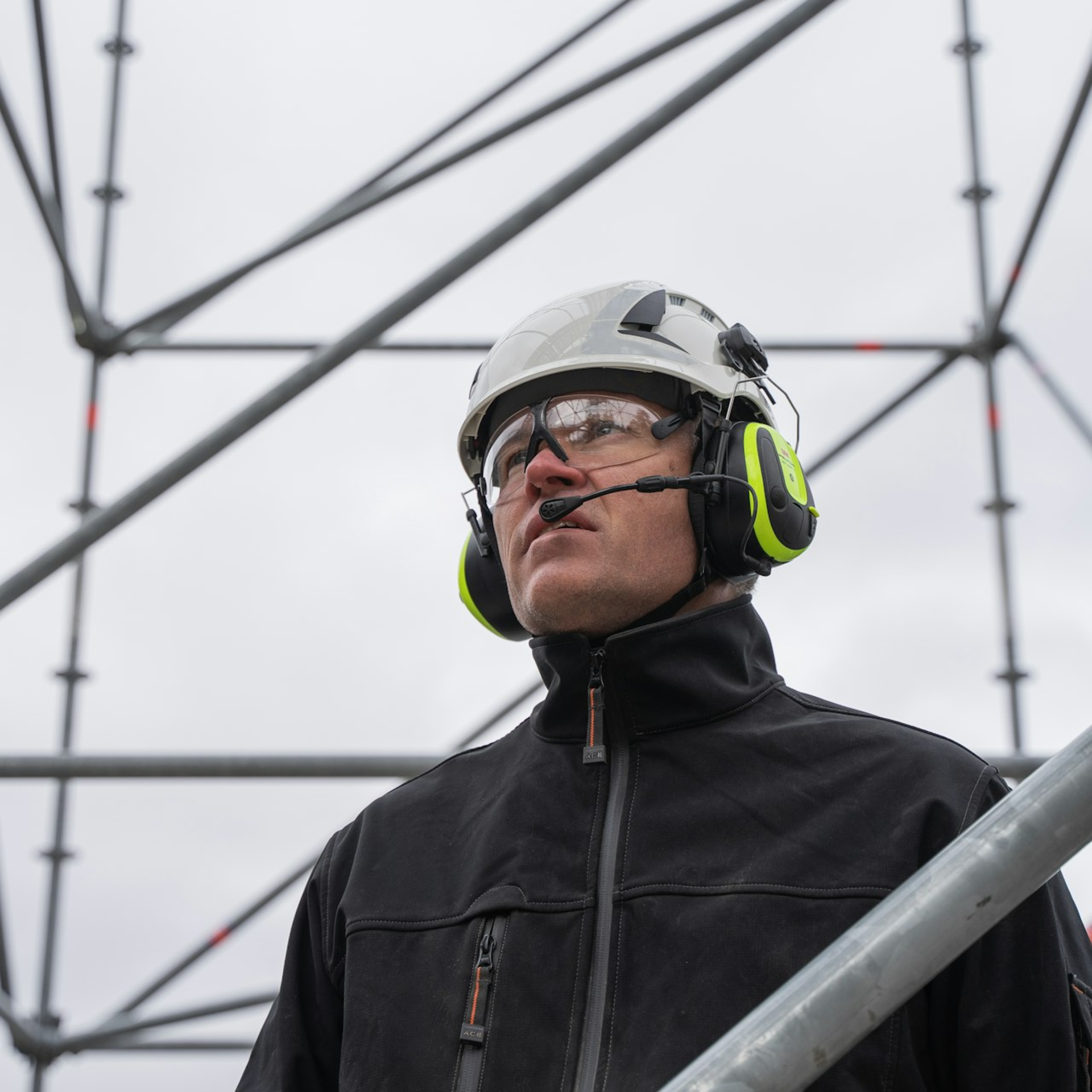
Build Your Experience into the Inspection
Every organisation develops an insight and understanding overtime that becomes invaluable. Common defects, recurring issues, and the actions typically required on certain projects is knowledge that can be used to build better inspection questionnaires.
Rather than relying on inspectors to remember this knowledge, build it directly into your inspection templates.
In Inspect7® consider:
- Add quick-select failure reasons for common defects.
- Include predefined corrective actions for recurring issues.
- Use dropdown lists based on historical findings.
- Present inspectors with the most likely defect categories for that asset type.
Build Your Experience into the Inspection
Every organisation develops an insight and understanding overtime that becomes invaluable. Common defects, recurring issues, and the actions typically required on certain projects is knowledge that can be used to build better inspection questionnaires.
Rather than relying on inspectors to remember this knowledge, build it directly into your inspection templates.
In Inspect7® consider:
- Add quick-select failure reasons for common defects.
- Include predefined corrective actions for recurring issues.
- Use dropdown lists based on historical findings.
- Present inspectors with the most likely defect categories for that asset type.
Best Practice: If your business repeatedly finds the same issues, don't make inspectors type the same information every time. Turn organisational knowledge into structured inspection guidance. 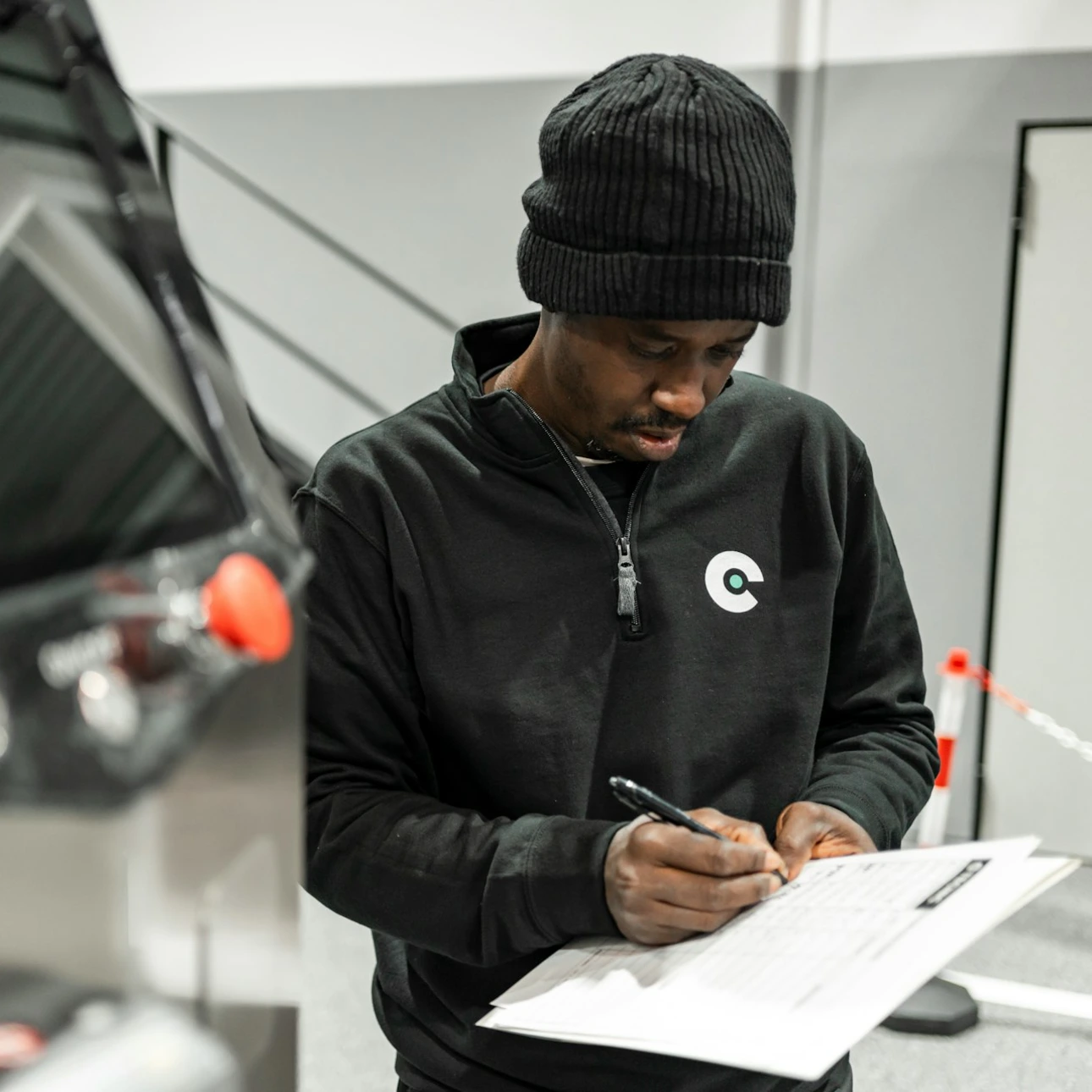
Write Questions That Guide the Inspection
The way a question is written can have a significant impact on the quality of an inspection. Generic questions such as "Is it OK?" or "Is it safe?" can often be answered without thoroughly assessing the asset.
Instead, questions should direct inspectors towards the specific components, conditions, or behaviours they need to examine.
In Inspect7®
Review existing questions and remove vague wording.
Reference the exact component or area that needs to be checked.
Use manufacturer guidance, regulatory requirements, and previous inspection findings to shape question wording.
Focus each question on a single inspection point to improve consistency.

Write Questions That Guide the Inspection
The way a question is written can have a significant impact on the quality of an inspection. Generic questions such as "Is it OK?" or "Is it safe?" can often be answered without thoroughly assessing the asset.
Instead, questions should direct inspectors towards the specific components, conditions, or behaviours they need to examine.
In Inspect7®
Review existing questions and remove vague wording.
Reference the exact component or area that needs to be checked.
Use manufacturer guidance, regulatory requirements, and previous inspection findings to shape question wording.
Focus each question on a single inspection point to improve consistency.
Best Practice: If an inspector can answer the question without looking at the asset, it'sprobably not helping to improve inspection quality. 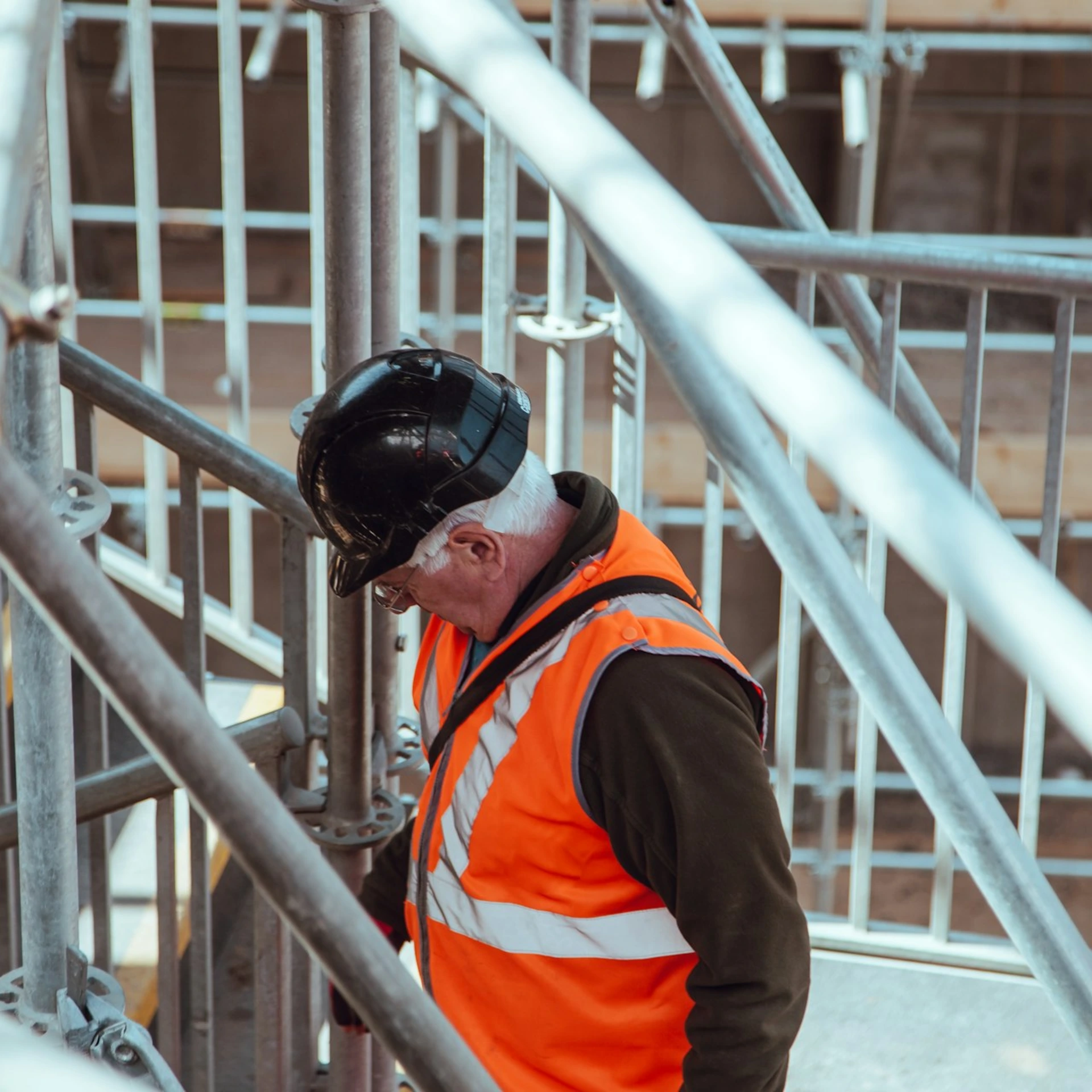
Structure Your Questionnaire Around the Inspection Journey
Many inspection templates are arranged by category and not by how this inspection is actually how they are carried out.
A well design inspection questionnaire should follow the journey of the inspector around the asset, like a map, leading them piece by piece so they follow the same route consistently when assessing an asset.
When questions appear in a logical order, inspections become more efficient, more consistent, and less likely to overlook key areas.
In Inspect7®:
- Arrange questions in the order inspectors naturally inspect the asset.
- Group related inspection points together to reduce unnecessary movement.
- Position evidence capture requirements at the point they are needed.
- Review templates regularly to ensure they reflect how inspections are carried out on site.

Structure Your Questionnaire Around the Inspection Journey
Many inspection templates are arranged by category and not by how this inspection is actually how they are carried out.
A well design inspection questionnaire should follow the journey of the inspector around the asset, like a map, leading them piece by piece so they follow the same route consistently when assessing an asset.
When questions appear in a logical order, inspections become more efficient, more consistent, and less likely to overlook key areas.
In Inspect7®:
- Arrange questions in the order inspectors naturally inspect the asset.
- Group related inspection points together to reduce unnecessary movement.
- Position evidence capture requirements at the point they are needed.
- Review templates regularly to ensure they reflect how inspections are carried out on site.
Best Practice: Your inspection template should guide inspectors around the asset rather than forcing them to work around the questionnaireWhat you will get
Explore Inspect7® software
Key insights into the system
Get personalised answers
Live inspection demonstration
Book a demo to find out how you can take your inspections to the next level with Inspect7®.
Verify Full Asset Coverage with Inspection Checkpoints
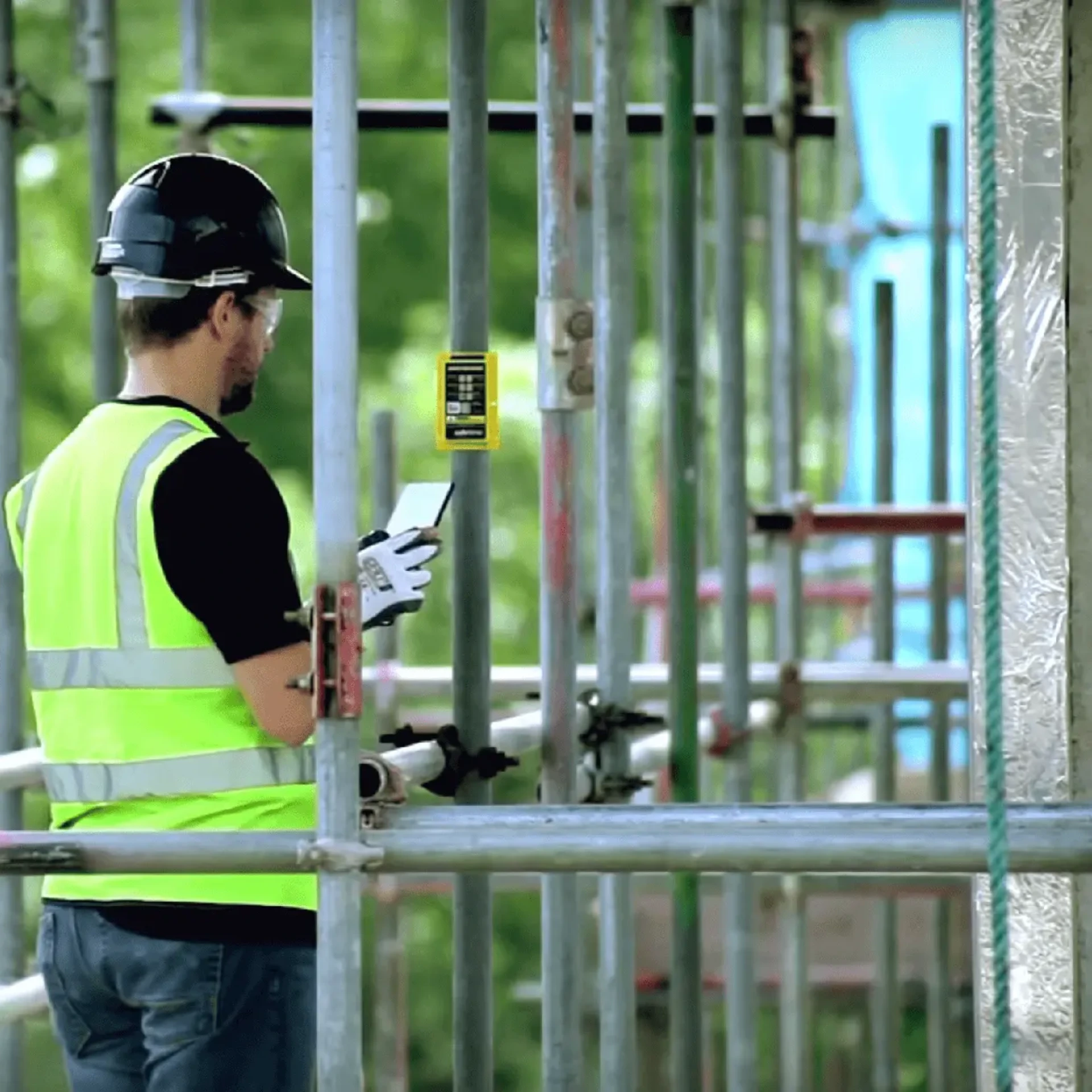
One challenge during an inspection is ensuring the inspector has assessed all critical areas of an asset and has not stayed stationary throughout the inspection. This can be particularly difficult for large or complex structures, where inspectors may be tempted to complete an inspection from a limited number of locations.
To start with, consider how your inspection will influence an inspector and encourage them to move around the asset.
For larger assets, this may involve using strategically placed inspection points. For more complex assets, it may be appropriate to divide the asset into separate inspection zones, each with its own inspection questionnaire and assigned hardware. These act almost like inspection "checkpoints"
For example, a large scaffold could be split into individual bays, elevations, access towers, or working levels, allowing each area to be assessed independently whilst contributing to the overall condition of the structure.
In Inspect7®:
- For larger or more complex assets, create separate inspection zones with their own questionnaires and assigned hardware.
- Structure inspections to reflect how the asset is expected to be assessed on site.
- Generate area-specific reports that provide greater visibility of defects and trends.
Verify Full Asset Coverage with Inspection Checkpoints
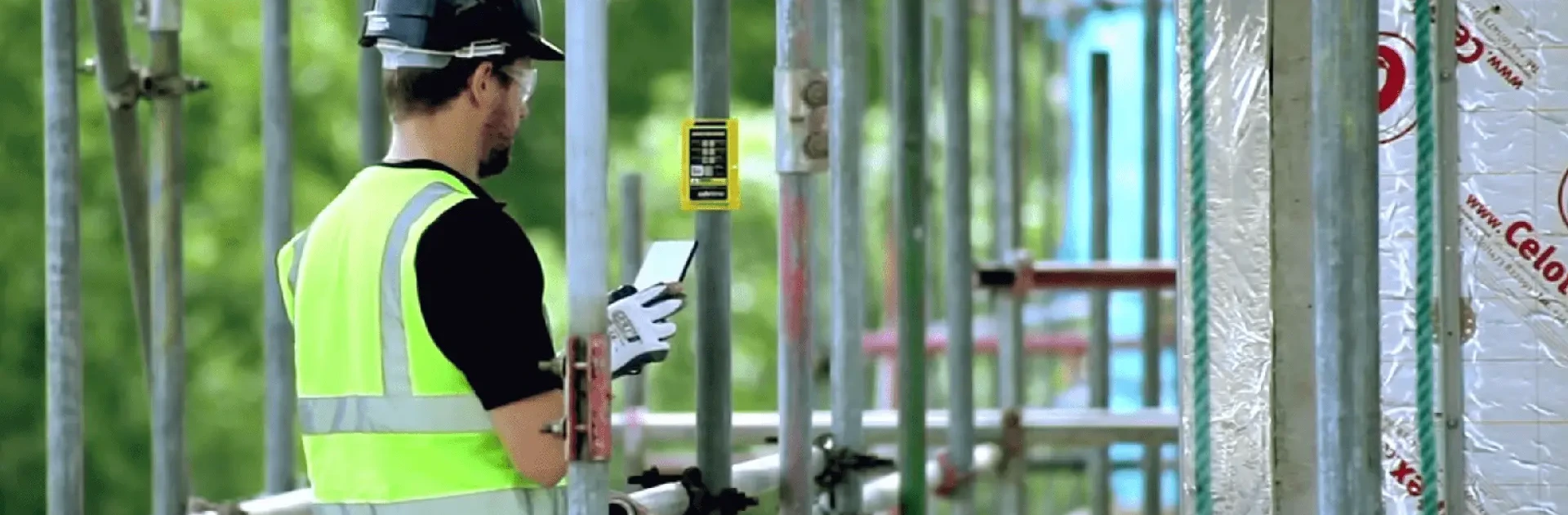
One challenge during an inspection is ensuring the inspector has assessed all critical areas of an asset and has not stayed stationary throughout the inspection. This can be particularly difficult for large or complex structures, where inspectors may be tempted to complete an inspection from a limited number of locations.
To start with, consider how your inspection will influence an inspector and encourage them to move around the asset.
For larger assets, this may involve using strategically placed inspection points. For more complex assets, it may be appropriate to divide the asset into separate inspection zones, each with its own inspection questionnaire and assigned hardware. These act almost like inspection "checkpoints"
For example, a large scaffold could be split into individual bays, elevations, access towers, or working levels, allowing each area to be assessed independently whilst contributing to the overall condition of the structure.
In Inspect7®:
- For larger or more complex assets, create separate inspection zones with their own questionnaires and assigned hardware.
- Structure inspections to reflect how the asset is expected to be assessed on site.
- Generate area-specific reports that provide greater visibility of defects and trends.
Best Practice: Design your inspections so that inspectors are encouraged to physically assess the asset rather than inspect from a single location. Where asset size or complexity makes this difficult, consider dividing the inspection into logical sections that can be independently assessed and reported on.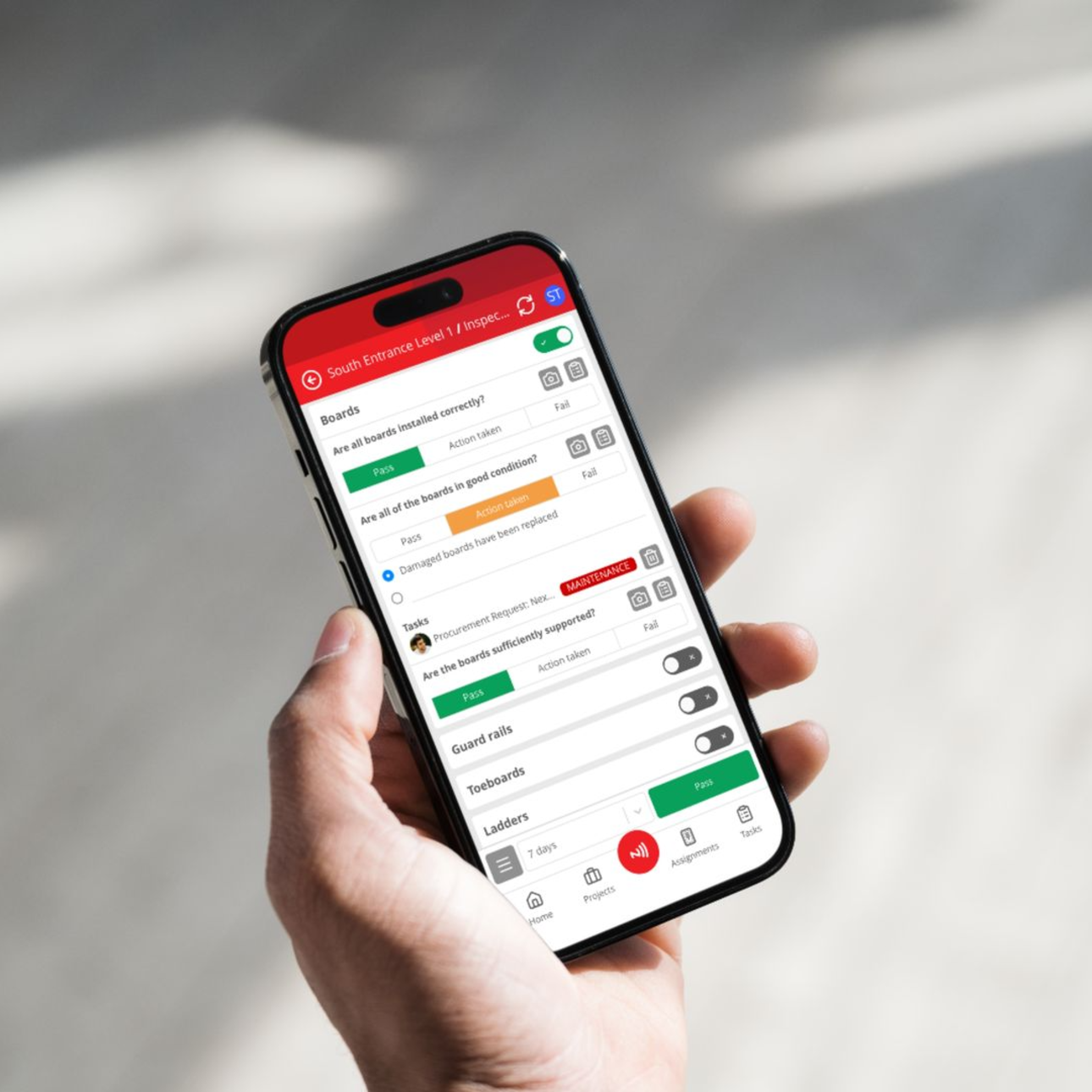
Better Inspections Start with Better Questionnaire Design
Improving inspection quality isn't always about adding more questions. In many cases, the biggest improvements come from designing smarter questionnaire templates that better support the people carrying out the work.
By tailoring templates to manufacturer guidance, capturing organisational knowledge, writing stronger questions, structuring inspections around the inspection journey, and validating full asset coverage, organisations can help improve consistency, compliance, and inspection outcomes.
At SafeTime, we believe inspections should do more than satisfy compliance requirements. They should help organisations identify issues earlier, improve decision-making, and drive continual improvement across their operations.
Want to get more value from your inspections? Review your existing inspections with us.
Book an online session with a member of our team.
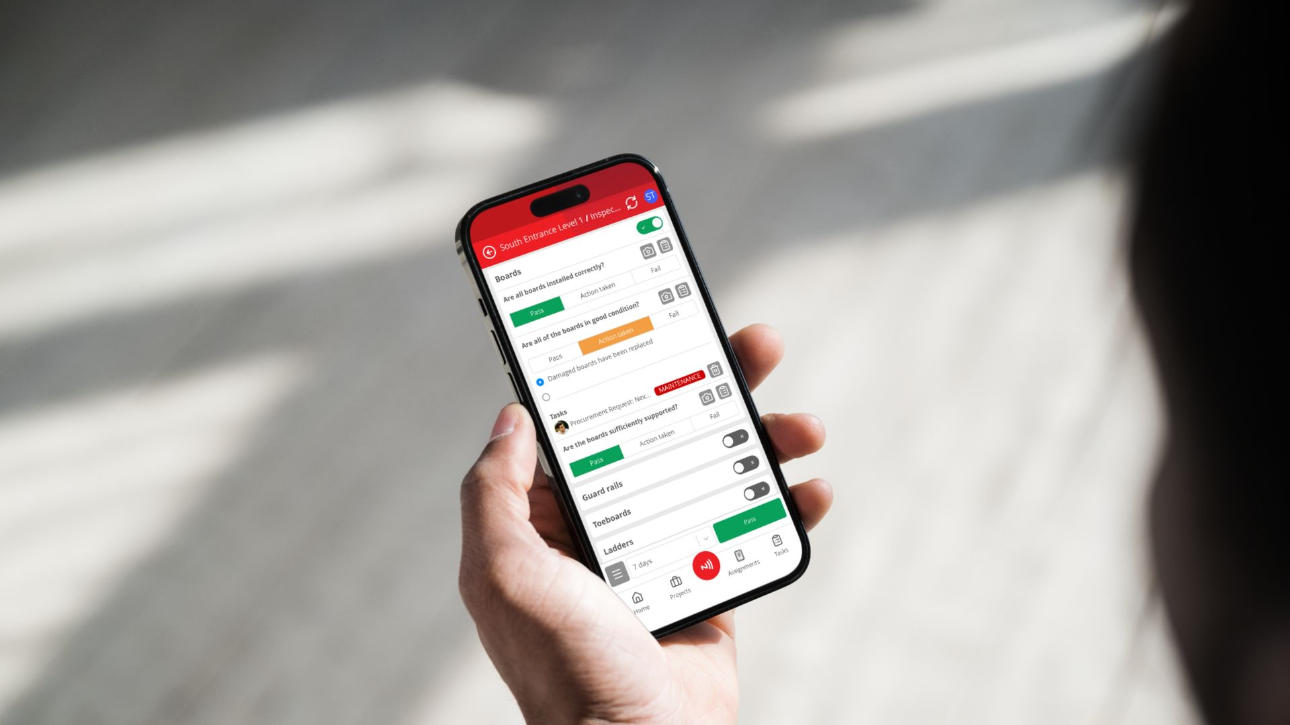
Better Inspections Start with Better Questionnaire Design
Improving inspection quality isn't always about adding more questions. In many cases, the biggest improvements come from designing smarter questionnaire templates that better support the people carrying out the work.
By tailoring templates to manufacturer guidance, capturing organisational knowledge, writing stronger questions, structuring inspections around the inspection journey, and validating full asset coverage, organisations can help improve consistency, compliance, and inspection outcomes.
At SafeTime, we believe inspections should do more than satisfy compliance requirements. They should help organisations identify issues earlier, improve decision-making, and drive continual improvement across their operations.
Want to get more value from your inspections? Review your existing inspections with us.
Book an online session with a member of our team.
What you will get
Explore Inspect7® software
Key insights into the system
Get personalised answers
Live inspection demonstration
Book a demo to find out how you can take your inspections to the next level with Inspect7®.